
In the Quest for Big Data, Don’t Forget the Little Data!

In our growing excitement about the power of Big Data, it easy to overlook the importance of using the ‘little data’ out there. These are the data that organizations already collect, but which may not be used to their full potential. Time spent summarizing, analyzing and using data is as important as collecting it! Here are five simple tips for getting more from your data:

 Some of the most challenging impacts to define and measure relate to the value of arts and culture. While it is quite common to see output numbers like attendance and participation rates for arts and culture-related initiatives, rarely do we see measures that relate to deeper impacts.
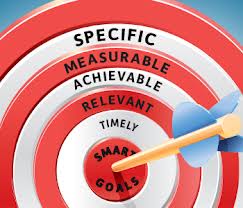 S.M.A.R.T goals are all the rage. They appear everywhere, and are particularly loved in funding application forms and by strategic planning facilitators. According to S.M.A.R.T, goals should be: S – specific ; M – measurable; A - achievable; R – relevant and T - timely. (There is some variations as to the words that make up the acronym.)
  Measuring quality of life is a HUGE area and is increasingly being done to understand the key outcomes of many programs, particularly in social services, health care, community development and education. This is great! Interest in measuring quality of life gets to the core of what measurement should be about - measuring what matters - rather than sticking with what is easy and not particularly important.
 When it comes to measuring and demonstrating value, we don't have to reinvent the wheel. Considerable work, thought and testing has gone into advancing many useful frameworks. I'll be devoting a few blogs to looking at some key frameworks that are used out there, starting with environmental frameworks.
 Numbers do not speak for themselves. They need help. It often seems that the journey to develop a number can be so long that by the time we have finally defined, collected and analyzed an indicator, we often just release them into space with little regard to context and narrative to help others understand their meaning.